What Is EV Load Sharing?
EV load sharing distributes available electrical capacity between multiple EV chargers.
Instead of sizing the electrical system as though every charger will draw maximum power simultaneously, the system manages the available power and shares it between connected vehicles.
For example, if two vehicles are charging at the same time, the available power can be divided between them. If one vehicle finishes charging or disconnects, more power can become available to the remaining charger.
The system automatically adjusts charging based on how many vehicles are connected and how much capacity is available.
Why Use Load Sharing?
- Supporting multiple EV chargers
- Reducing unnecessary electrical service upgrades
- Lowering infrastructure costs
- Managing peak electrical demand
- Making better use of available power
- Creating a scalable charging system
- Preparing for future EV growth
For multi-unit properties, this can be especially valuable as more residents begin driving electric vehicles.
How Does Load Sharing Work?
A specific amount of electrical capacity is assigned to a group of EV chargers.
The system then distributes that capacity based on the number of vehicles charging.
For example, a property may have enough available capacity for two chargers to operate at full output.
If additional vehicles begin charging, the system can automatically divide the available power among all connected chargers.
As vehicles finish charging, the available capacity is redistributed.
This allows the charging system to remain within its designed electrical limits without requiring residents to manually coordinate charging times.
Load Sharing vs. Load Management
Load sharing and load management are related, but they solve different problems.
Load sharing manages power between multiple EV chargers.
Load management monitors the electrical demand of the entire home or building and adjusts EV charging based on how much power is available.
In larger installations, both strategies may be used together.
The result can be a highly efficient charging system that manages both the building’s total electrical demand and the power distributed between individual EV chargers.
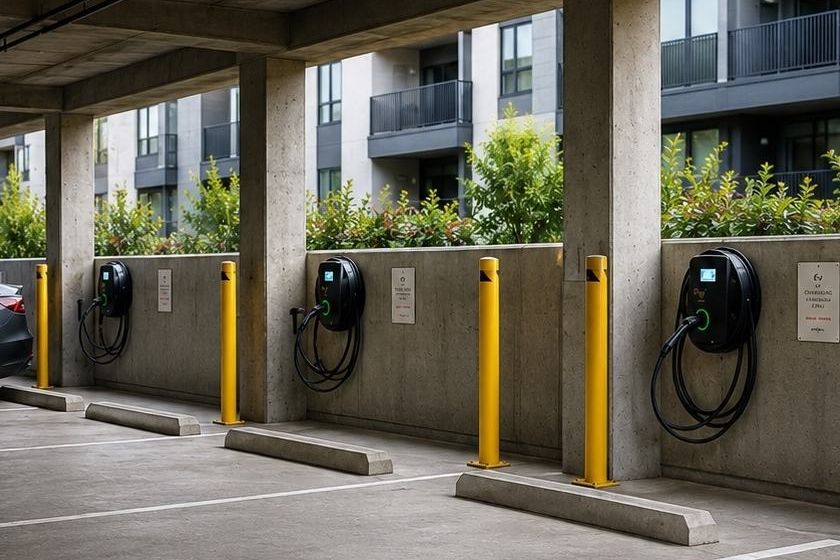
Ideal for Multi-Unit Properties
- Apartment buildings
- Condominiums
- HOAs
- Multi-family properties
- Shared parking garages
- Workplace charging
- Properties planning future EV expansion
A building may only need a few chargers today, but EV demand can increase quickly. Designing a shared charging system from the beginning can make it easier and more cost-effective to add additional chargers later.
Can Each Resident Have Their Own Charger?
Yes, depending on the electrical design and property configuration.
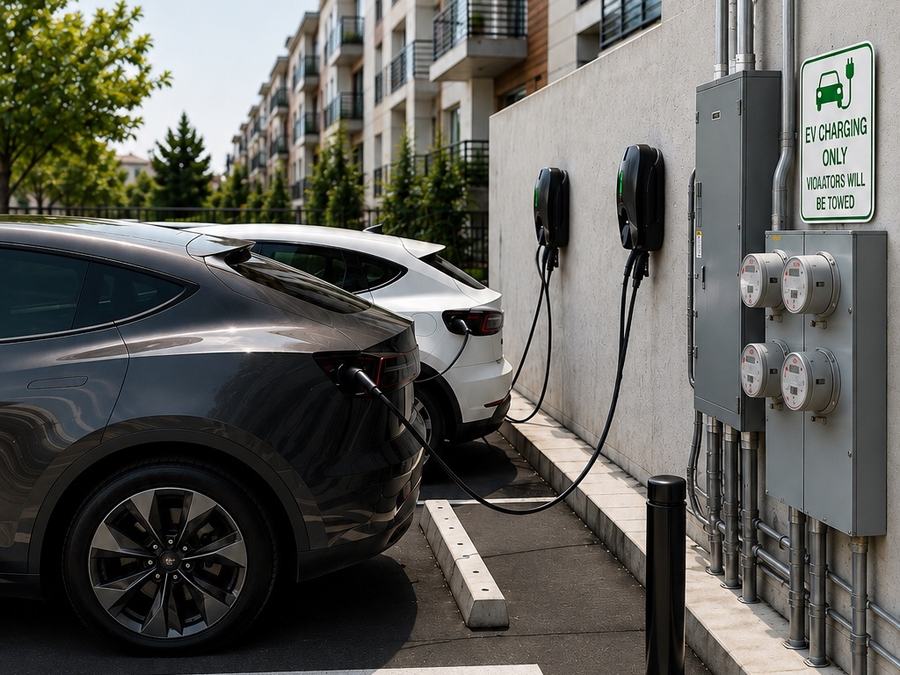
Individual residents can have dedicated charging equipment while the overall system manages how much power is available to the group.
The electrical design may also consider individual metering, tenant billing, assigned parking spaces, charger access, and property-management requirements.
The right solution depends on the existing electrical infrastructure and how the property wants to manage EV charging.
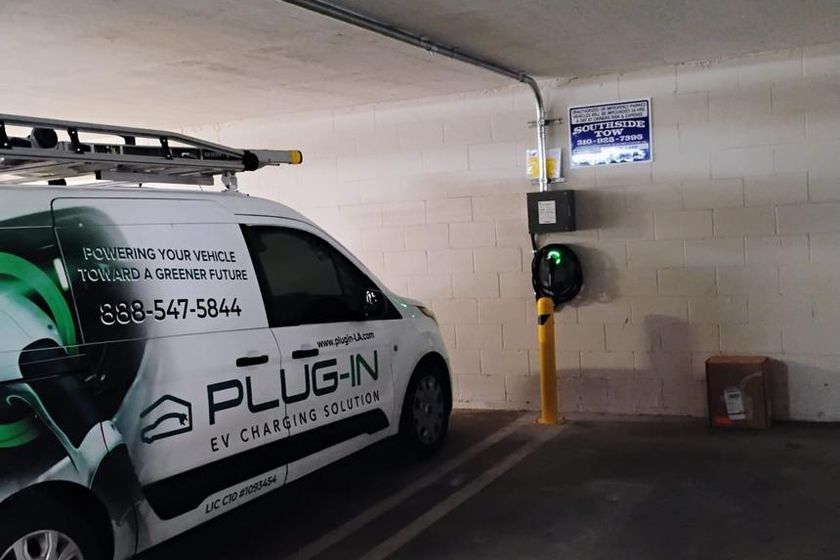
Avoiding Expensive Electrical Upgrades
Without load sharing, a property may appear to need a very large amount of new electrical capacity to support multiple chargers.
That can lead to expensive upgrades involving switchboards, meter banks, transformers, feeders, or utility service equipment.
Load sharing can reduce the amount of simultaneous charging demand the electrical system must support.
In many situations, this can allow a property to expand EV charging while delaying or avoiding major infrastructure upgrades.
Plan for More EVs From the Beginning
- Expandable conduit pathways
- Reserved electrical capacity
- Centralized charging equipment
- Load-sharing controls
- Future charger locations
- Electrical panels designed for expansion
- Communication infrastructure when required
The best time to prepare for additional EV chargers is during the first installation. Planning ahead can significantly reduce the cost and disruption of adding chargers later.
Professionally Designed for Your Property
Every property has different electrical capacity, parking arrangements, meter configurations, and future charging needs.
At Plug In EV Charging Solution, we evaluate the complete electrical system before designing a load-sharing solution.
Our goal is to create an EV charging system that works efficiently today and can grow with the property tomorrow.
Share the power. Add more chargers. Upgrade less.