What Is Bidirectional EV Charging?
- Vehicle-to-home backup power
- Emergency power during outages
- Integration with home energy systems
- Smarter use of stored battery energy
- Future grid-interactive applications
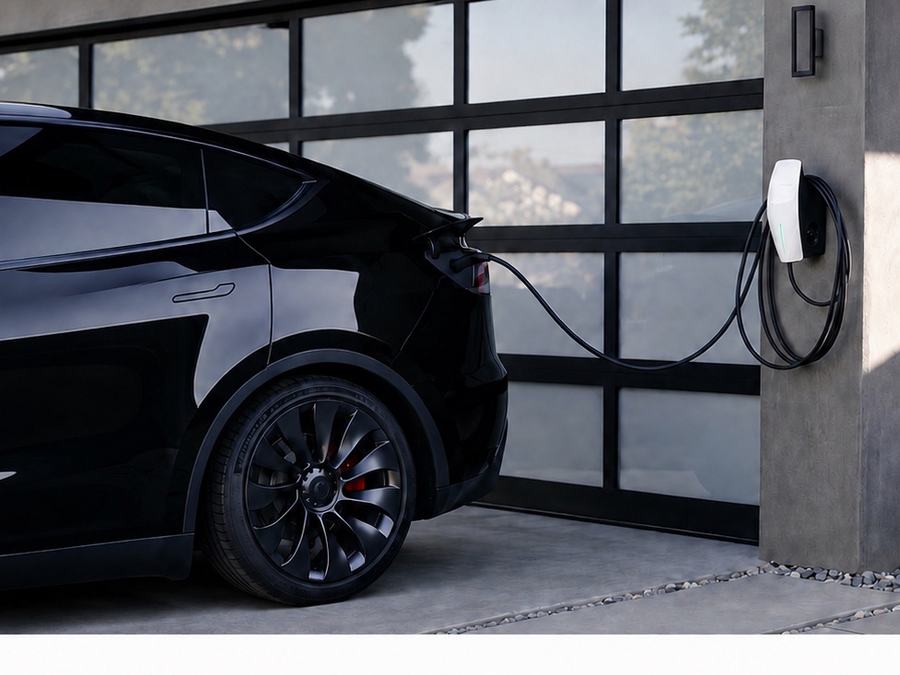
A standard EV charger sends electricity in one direction—from the home to the vehicle. A bidirectional system allows power to flow both ways. The EV becomes more than transportation—it can also become part of the home’s electrical system.
How Does Vehicle-to-Home Backup Work?
- Refrigeration
- Lighting
- Internet and communication equipment
- Selected receptacles
- Garage equipment
- Other essential circuits
During normal operation, the vehicle charges from the home electrical system. When utility power is lost, compatible equipment can isolate the home from the electrical grid and allow the EV battery to supply selected household loads. The available backup time depends on the EV battery size, state of charge, and the amount of power being used in the home.
What Equipment May Be Required?
- Compatible bidirectional EV charger
- Gateway or transfer equipment
- Backup electrical panel
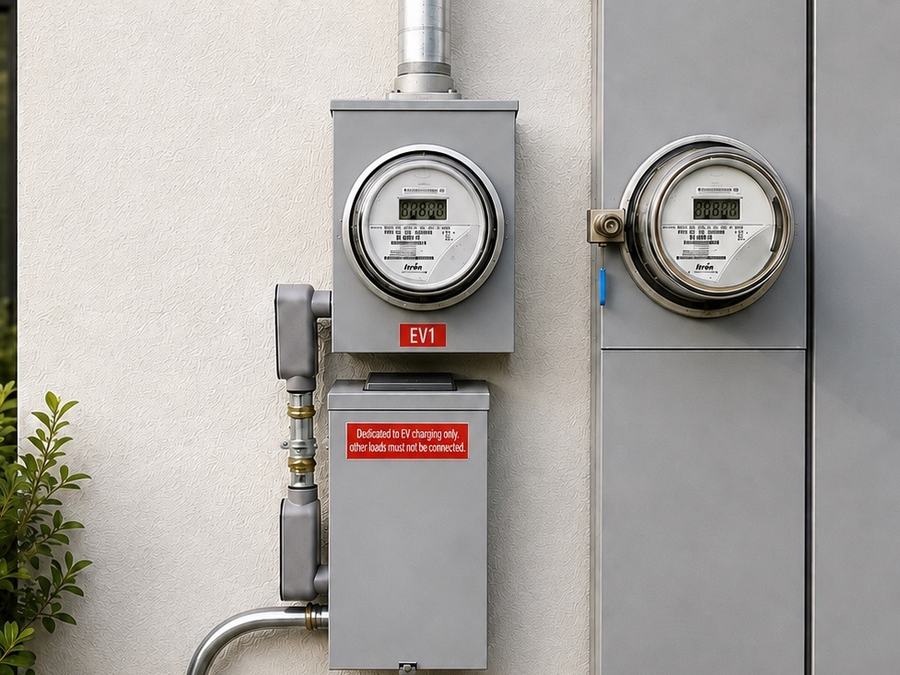
- Dedicated EV charging circuit
- Communication wiring
- Current transformers or energy-monitoring equipment
- Load-management controls
- Updated grounding and bonding
- Utility or manufacturer-specific equipment
Bidirectional charging requires more than a standard EV charger. Every system must be designed around the specific vehicle and approved equipment.
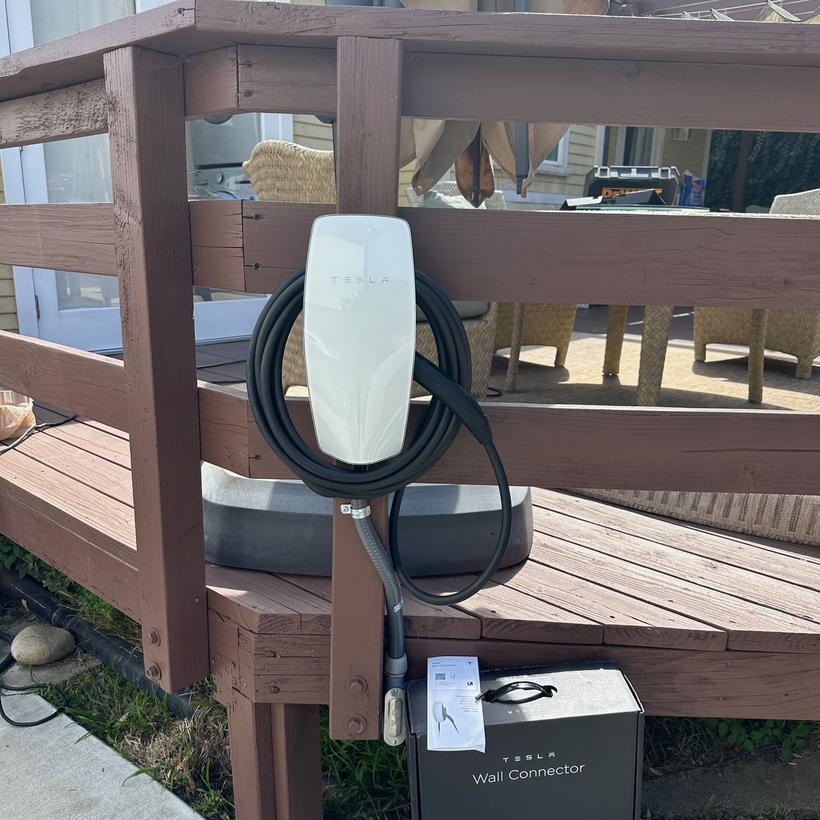
Do I Need a Backup Panel?
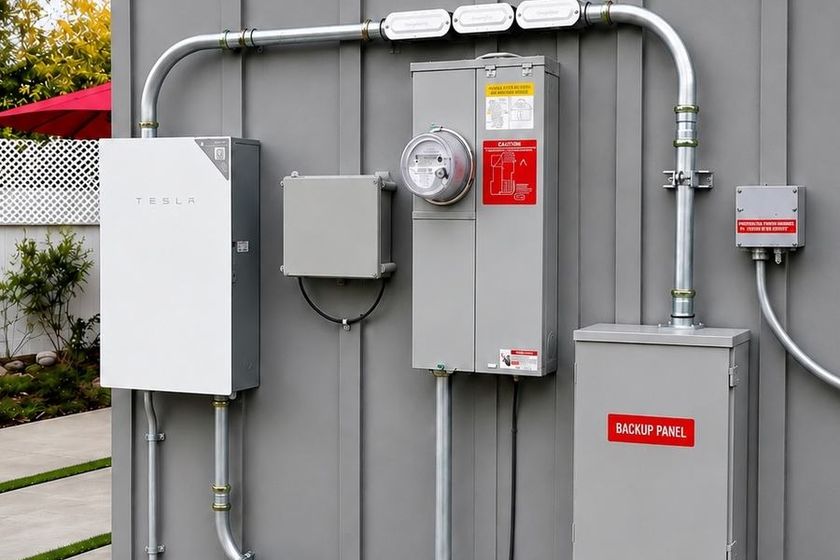
In many installations, selected circuits are transferred into a dedicated backup panel.
This allows the system to power important loads during an outage without attempting to supply every electrical load in the home.
A properly designed backup panel helps prioritize the circuits that matter most while keeping the system within its available output capacity.
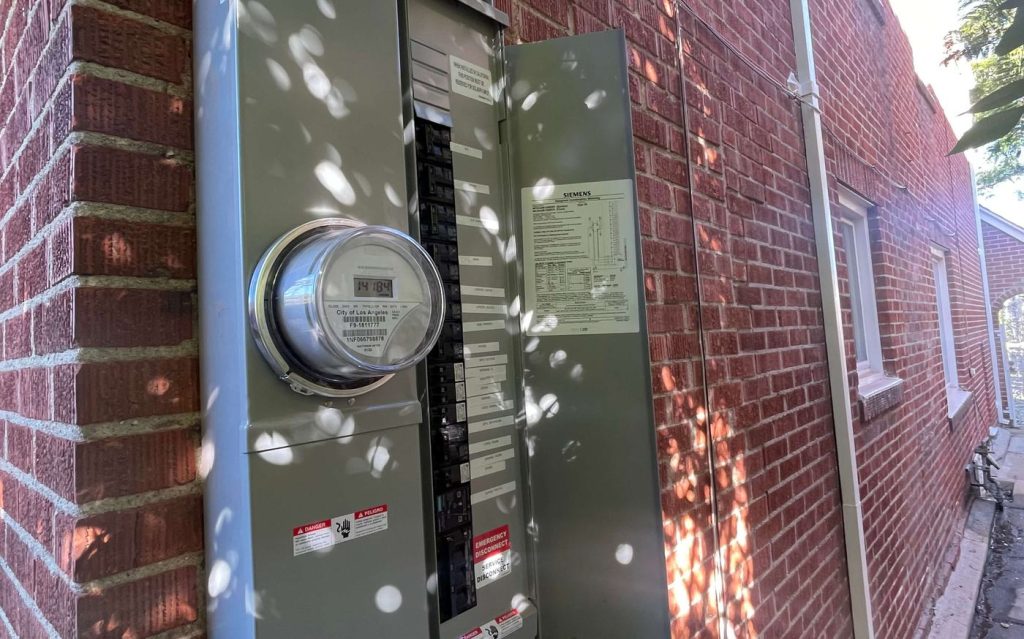
Can the Entire Home Be Backed Up?
- Main service size
- Home electrical demand
- EV battery capacity
- Bidirectional system output
- Large electrical loads
- HVAC equipment
- Electric cooking and water heating
- Other energy systems already installed
Sometimes, but it depends on the system. Whole-home backup requires careful evaluation. In many cases, backing up selected essential circuits provides a more practical and reliable solution.
Bidirectional Charging and Existing Electrical Systems
- Panel modifications
- New feeder circuits
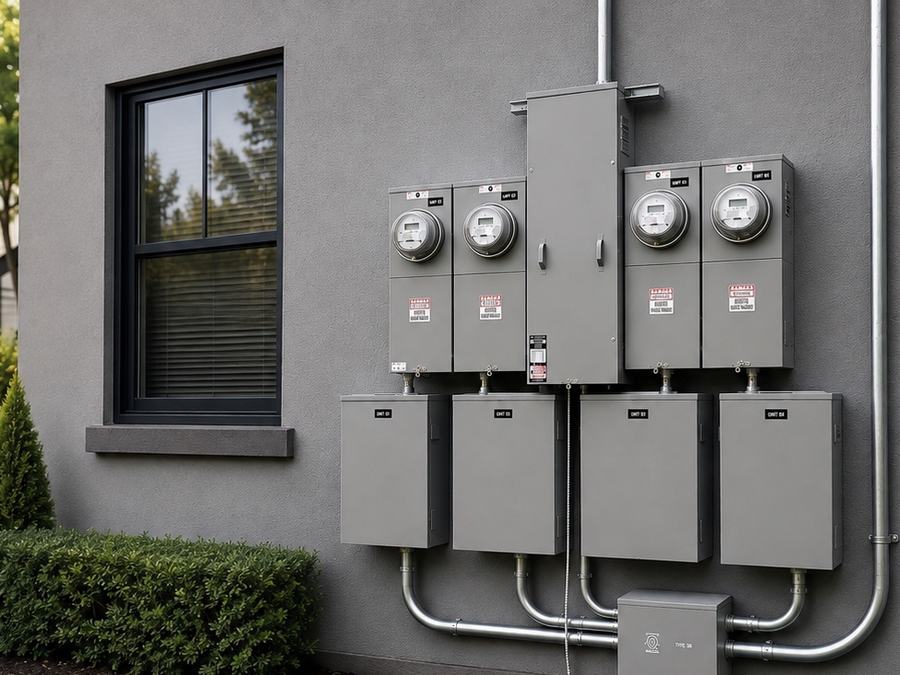
- Backup panel installation
- Load management
- Service upgrades
- Coordination with solar or battery systems
Before installing a bidirectional system, the existing electrical service and panel configuration must be evaluated. The goal is to integrate the EV safely into the existing electrical system without creating unnecessary electrical upgrades.
Planning for Future Energy Needs
- Additional EVs
- Solar energy
- Battery storage
- Smart load management
- Whole-home backup
- Future utility programs
Bidirectional charging is part of a larger shift toward smarter home energy systems. Designing the system correctly from the beginning can make future expansion easier and more cost-effective.
Permitted. Integrated. Professionally Installed.
Bidirectional EV charging systems can involve advanced electrical, communication, and transfer equipment.
Proper installation is essential to ensure safe isolation from the utility grid, correct backup operation, and compatibility between the vehicle and home electrical system.
At Plug In EV Charging Solution, we evaluate the complete system and provide professional installation designed around your vehicle, property, and backup-power goals.
Charge your EV when the power is on. Use it when the power goes out.