What Is a Dedicated EV Meter?
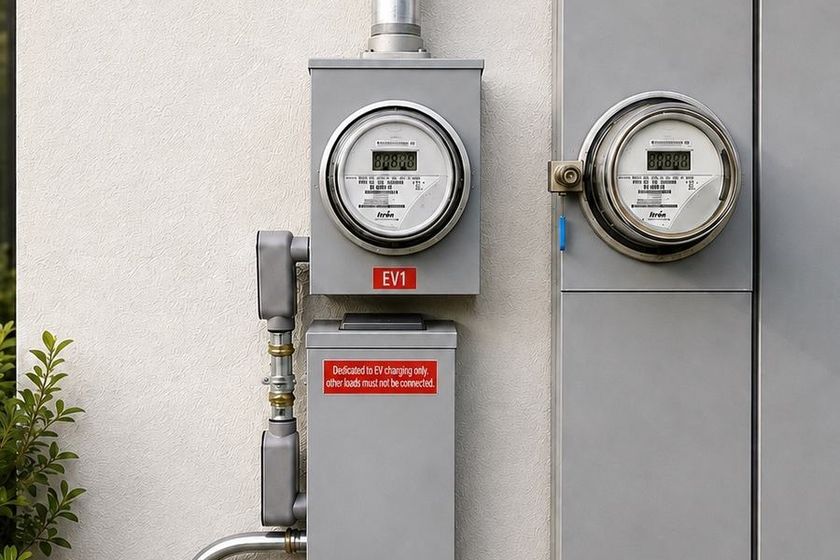
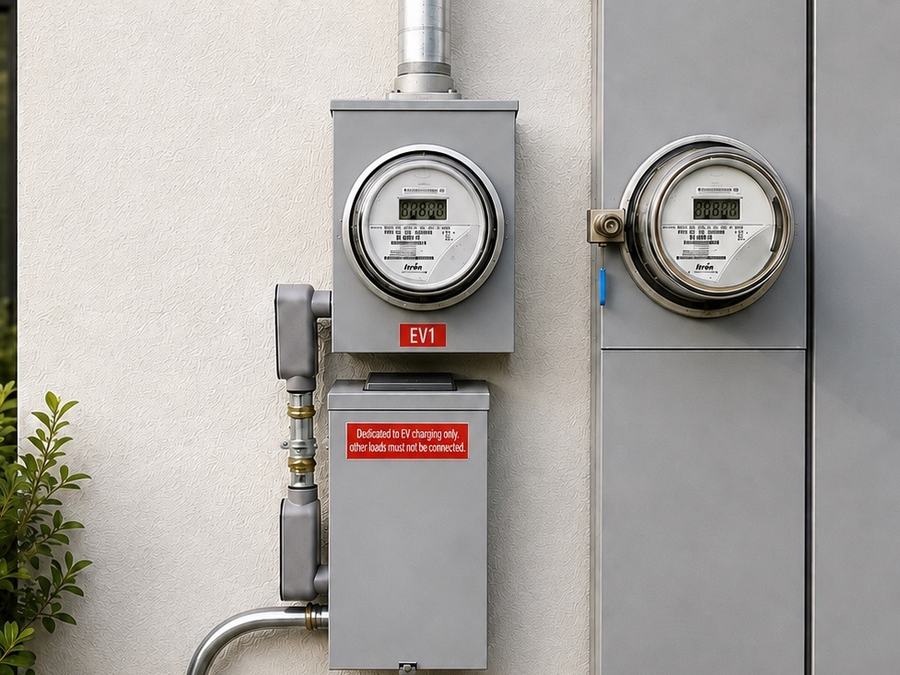
A dedicated EV meter measures only the electricity used for EV charging.
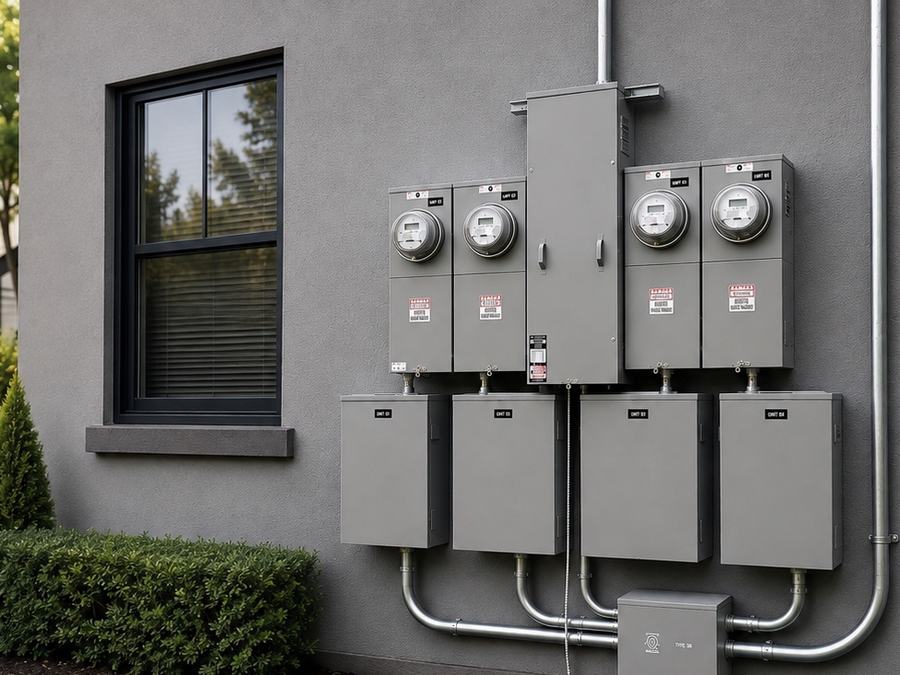
The EV charger is supplied through its own utility-approved meter socket and required disconnect equipment, separate from the home’s regular electrical usage.
This can make it easier to track EV charging costs and, depending on the utility, may provide access to lower off-peak charging rates.
Why Install a Dedicated EV Meter?
- Access to special EV Time-of-Use rates
- Lower charging costs during off-peak hours
- Separate tracking of EV electricity usage
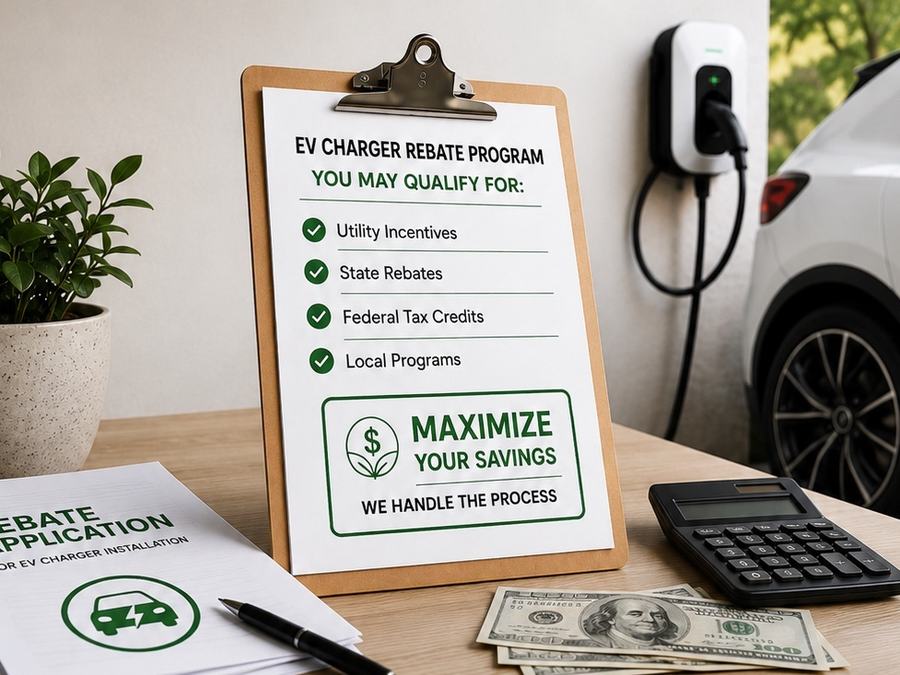
- Potential utility rebates or incentives
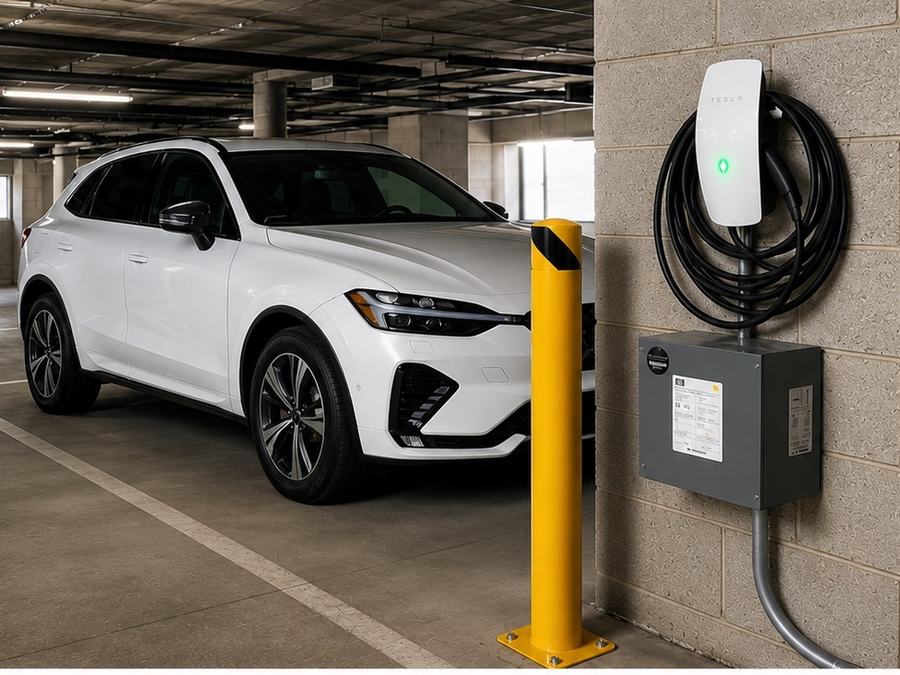
- A dedicated electrical supply for EV charging
- Greater flexibility when the existing home panel has limited capacity
For homeowners who charge frequently, the long-term electricity savings can be significant.
Can a Dedicated EV Meter Help Avoid a Panel Upgrade?
In some homes, yes.
If the existing main panel does not have enough capacity for a new EV charger, a dedicated EV meter may provide a separate path for EV charging rather than increasing the capacity of the home’s existing electrical panel.
This can potentially reduce or avoid the cost of a major panel or service upgrade.
The best solution depends on the property, utility requirements, existing service equipment, and available electrical capacity.
We evaluate the complete electrical system before recommending whether a dedicated EV meter, load management, or panel upgrade makes the most sense.
Time-of-Use EV Charging
One of the main benefits of a dedicated EV meter is the possibility of using an EV-specific Time-of-Use rate.
Time-of-Use pricing changes the cost of electricity depending on when energy is used.
Charging during lower-cost off-peak periods, often overnight, can reduce the cost of charging your vehicle compared with charging during higher-demand periods.
For many EV owners, this makes overnight home charging both convenient and economical.
LADWP Dedicated EV Meter
For eligible LADWP customers, a dedicated EV meter may provide additional benefits.
LADWP may offer incentives for qualifying dedicated EV meter installations and special EV charging rate options for separately metered charging.
Because utility programs, rates, and rebate amounts can change, eligibility should always be confirmed before installation.
What Does a Dedicated EV Meter Installation Include?
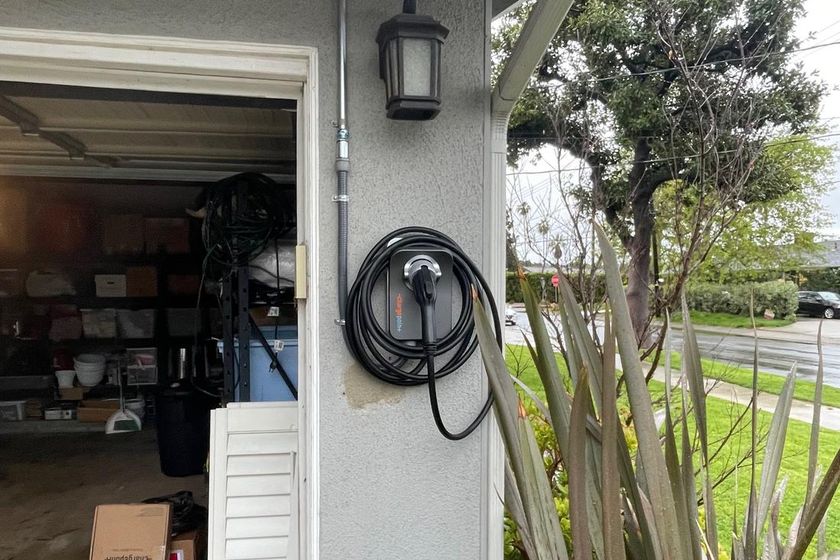
- Utility-approved meter socket
- Required service disconnect
- Dedicated EV charging circuit
- Circuit breaker
- Wiring and conduit
- Grounding and bonding
- EV charger installation
- Utility coordination
- City permit
- Electrical inspection
- Utility meter installation and activation
A dedicated EV meter requires its own approved service equipment and is not simply an additional meter attached to the existing electrical panel. The exact meter socket, disconnect, service configuration, and equipment location must meet the requirements of the serving utility and local electrical code.
Is a Dedicated EV Meter Right for Every Home?
- The existing electrical panel has limited capacity
- A full panel or service upgrade would be expensive
- The homeowner charges frequently
- The utility offers favorable EV Time-of-Use rates
- A rebate is available for dedicated metering
- Separate EV energy tracking is preferred
Not necessarily. Some homes already have enough electrical capacity to install an EV charger directly from the existing panel. Other homes may be better suited for EV load management. The goal is to choose the solution that provides the best balance of installation cost, charging performance, and long-term energy savings.
Professionally Planned From the Start
A dedicated EV meter requires coordination between the electrical contractor, city, and utility provider.
Proper planning is important because meter location, disconnect requirements, service equipment, conduit routing, clearances, permits, and utility standards can all affect the installation.
At Plug In EV Charging Solution, we evaluate the existing service and design the dedicated EV meter installation so the meter socket, disconnect, EV charging circuit, and utility requirements work together as one complete system.
Save on the installation. Save on charging. Power your EV smarter.