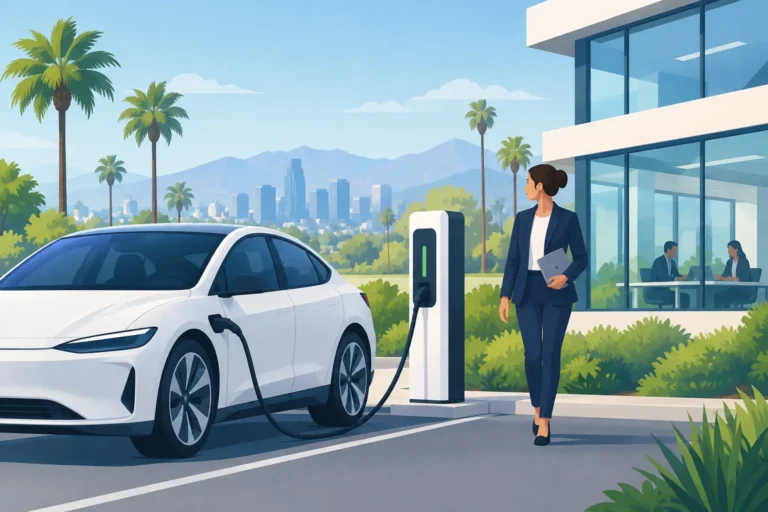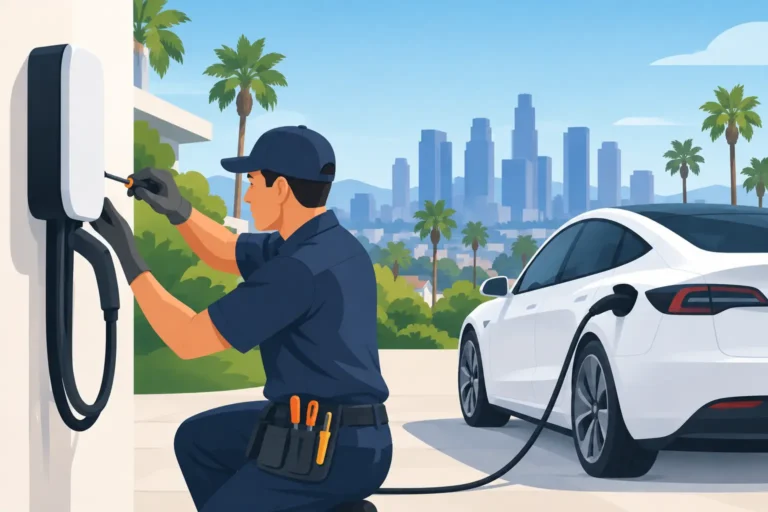
A fleet can have new electric vehicles on the lot, chargers mounted on the wall, and still miss its first morning routes. That is why fleet depot implementation results should be measured by more than the number of charging ports installed. The real test is whether vehicles leave on schedule with the range they need, drivers know what to do, and depot operations remain predictable.
For fleets moving to electric vehicles, charging infrastructure is not a standalone construction project. It becomes part of daily dispatch, maintenance, energy use, and growth planning. A well-executed depot turns charging into a dependable operating system rather than another item for managers to monitor.
What Successful Fleet Depot Implementation Results Look Like
The strongest results start with reliable vehicle readiness. If a vehicle is scheduled for an early shift, the charging plan must account for its route length, return time, battery state of charge, and the hours available overnight. A charger that works perfectly but cannot deliver enough energy before dispatch is not solving the operational problem.
Uptime is equally important. Fleet chargers see repeated use, often in demanding environments with drivers arriving at different times and vehicles needing to turn around quickly. The goal is not simply to install equipment. It is to select equipment, electrical capacity, and controls that support the way the fleet actually operates.
Successful projects also provide clearer energy visibility. With properly configured charging management, fleet teams can see which vehicles charged, how much energy they received, and whether charging stayed within planned hours. This makes it easier to investigate exceptions before they become missed routes or unnecessary utility costs.
A final indicator is scalability. Many fleets begin with a small EV pilot and expand once the operating model is proven. Planning conduit routes, switchgear space, transformer needs, and panel capacity with future phases in mind can prevent expensive rework later. That does not always mean installing every charger on day one. It means making early decisions that keep expansion practical.
Start With Operations, Not Charger Count
A common mistake is ordering chargers before defining how vehicles work. Charger quantity is only one part of the design. A fleet of 20 vehicles may need 20 dedicated ports, fewer shared ports, or a mix of Level 2 and DC fast charging. The right answer depends on dwell time and daily mileage, not a generic ratio.
Begin by mapping a normal operating week. Identify vehicle arrival and departure times, miles driven per shift, expected energy use, parking assignments, and the time available for charging. Also account for real-world variations: late returns, extra routes, seasonal demand, and vehicles that may need a mid-day recharge.
For example, a fleet of local service vans parked for 10 to 12 hours overnight may operate efficiently with managed Level 2 charging. A delivery fleet that runs multiple shifts may need strategically placed DC fast chargers for quick recovery between routes. Faster charging can help with tight schedules, but it usually requires greater electrical capacity and can increase project cost. It should be used where it produces a clear operational benefit.
Define the service level each vehicle needs
Not every vehicle needs to reach 100% each night. Charging every battery to full may add cost and demand without improving route readiness. Instead, determine the energy required for the next assignment, then build a charging schedule that meets that target with an appropriate reserve.
This approach allows charging management systems to share available power across vehicles. It can reduce the need for oversized infrastructure while still keeping the fleet ready. The trade-off is that dispatch and parking procedures need to be consistent. If vehicles are frequently moved, plugged into the wrong ports, or returned much later than expected, the plan needs more flexibility.
Power Planning Determines Long-Term Results
Electrical capacity is often the critical path for a fleet depot. The existing service may support a first phase of chargers but not the full electrification plan. An early electrical assessment identifies what is available today, what upgrades may be needed, and how utility coordination could affect the timeline.
Load calculations should consider more than the charger nameplate rating. A qualified EV charging contractor evaluates the building load, fleet charging demand, panel and switchgear capacity, feeder sizes, site layout, and future expansion goals. In some cases, smart load management can keep charging within the available service capacity. In others, a service upgrade or utility infrastructure work is necessary.
This is where a phased approach can be useful. A fleet may install the conduit, trenching, distribution equipment, and communications backbone needed for later growth while activating only the chargers required for the initial EV group. The upfront investment can be higher than a minimal first-phase build, but it may avoid disrupting a working depot when the fleet expands.
In Los Angeles County, utility lead times, permitting requirements, and site conditions can affect schedules. Early coordination helps fleet stakeholders set realistic implementation dates instead of planning vehicle deliveries around an installation timeline that has not been validated.
Installation Should Protect Daily Depot Operations
Even an excellent electrical design can create frustration if installation disrupts routes, blocks parking, or leaves drivers unclear about the new process. Implementation planning should address construction logistics before crews arrive on site.
A clear site plan identifies work zones, vehicle circulation, temporary parking, trenching areas, charger locations, and the path from electrical equipment to each charging space. For active depots, work can often be scheduled in phases to reduce interference with dispatch and maintenance activity.
Permits and inspections are another practical part of the schedule. Commercial charging installations commonly require coordination among the property owner, electrical contractor, local authority, utility, and sometimes the charger network provider. Experienced coordination keeps responsibilities clear and helps avoid delays caused by missing documents or incomplete site information.
At Plug-in LA, this type of planning is part of making commercial EV charger installations easier to manage. Licensed electricians can assess the site, recommend a practical charging approach, and coordinate the installation details that keep projects moving.
Measure Fleet Depot Implementation Results After Go-Live
A depot is not fully implemented the day the chargers are energized. The first 30 to 90 days reveal whether the design works under actual route conditions. Fleet managers should review charging activity regularly and compare results with the operating assumptions used during planning.
Useful measures include vehicle readiness at dispatch, charger availability, charging sessions that did not complete as expected, energy delivered per vehicle, and peak demand patterns. Driver feedback matters too. If drivers consistently struggle with cable access, parking alignment, app access, or end-of-shift procedures, those issues can reduce charging consistency even when the hardware is functioning correctly.
Look closely at exceptions. One vehicle that repeatedly finishes charging below its target may point to a late return schedule, a damaged connector, an incorrect charging setting, or a vehicle with higher-than-expected energy use. Correcting small exceptions early protects the larger program from becoming unreliable.
Train for the workflow, not just the equipment
Drivers and depot staff need a simple, repeatable process: park in the correct space, connect the charger, confirm charging has started, and report a problem through the designated channel. Maintenance and dispatch teams should know who receives charger alerts and how to respond when a vehicle needs priority charging.
Training does not need to be complicated, but it should reflect the real shift schedule. A short hands-on walkthrough at the charger is often more useful than a long technical presentation. Clear signage, assigned parking, and a written escalation process can prevent many common issues.
Avoid Results That Look Good Only on Paper
Some projects appear successful at handoff but underperform in daily use. Oversizing fast chargers without a clear use case can increase electrical costs. Undersizing infrastructure can limit fleet growth. Installing chargers too far from normal parking may lead drivers to skip plugging in. Selecting a networked system without confirming cellular or Wi-Fi coverage can reduce visibility when it is needed most.
There is no single charger configuration that works for every fleet. The best choice depends on vehicle types, route duty cycles, site power, available parking time, budget, and future growth. A careful assessment turns those variables into a practical plan rather than an expensive guess.
The most valuable result is simple: every vehicle has the energy it needs when work begins, and the people responsible for the fleet can trust the process. When a depot is planned around real operations, charging becomes one less thing standing between the fleet and its next route.