Why HOA Projects Stall
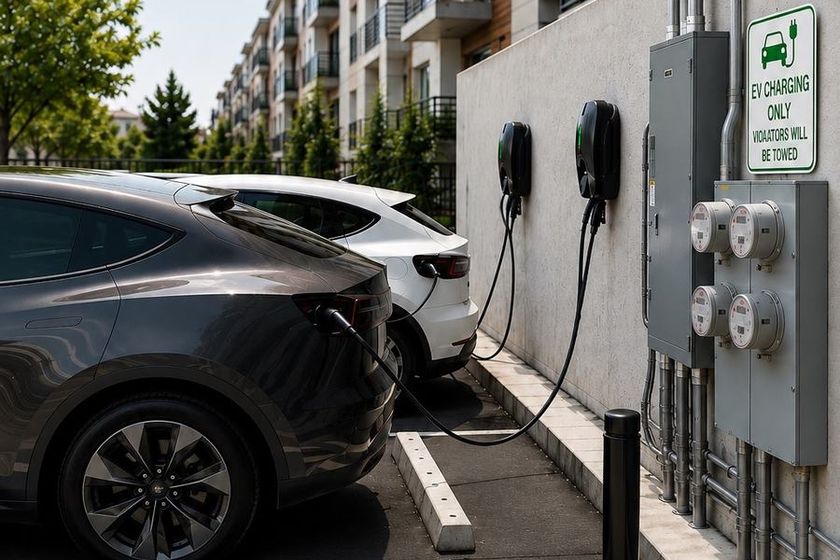
Condo and apartment charging rarely fails on the electrical side. It stalls in the approval process.
- The board has no policy, so every request starts from zero
- Nobody knows how much capacity the building’s service has left
- Residents disagree on who pays for shared infrastructure
A request that arrives with the numbers already answered moves much faster than one that asks the board to work them out.
Start With the Building, Not the Stall
Capacity decides everything else.
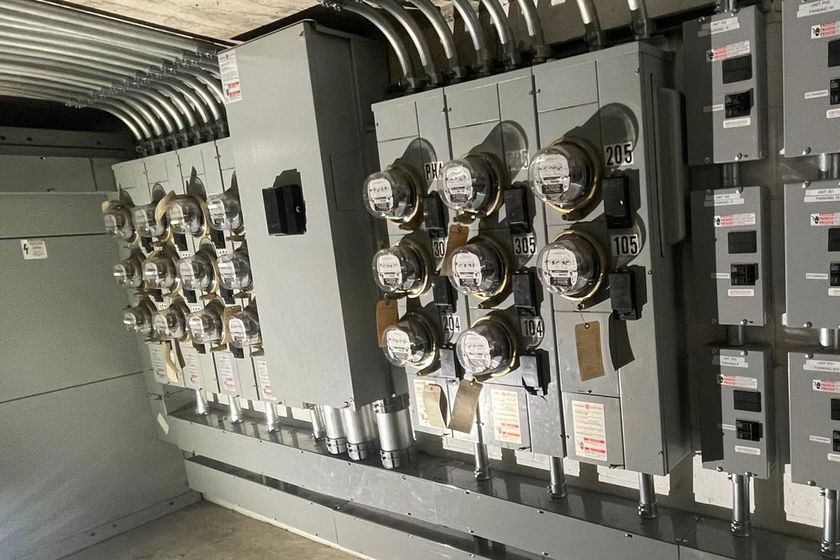
A load study of the building’s service and meter bank tells the board how many chargers the property can support, whether they need load sharing, and what a first phase should look like. It turns an open-ended request into a plan.
With that in hand, the conversation moves from whether it is possible to how many and in what order.
A phased plan also answers the fairness question. The first residents who ask are not asked to pay for infrastructure everyone else will use later, and the conduit for future stalls goes in once instead of every time a new request arrives.
Metering and Billing
Most boards want the resident who charges to pay for the power. That can mean connecting each charger to the resident’s own meter, adding a sub-meter, or using networked chargers that bill by session. The right option depends on where the meters sit relative to the parking.
What We Bring to the Board Meeting
A capacity summary, a phased layout, the permit path and a fixed price per phase. Boards approve plans, not ideas.