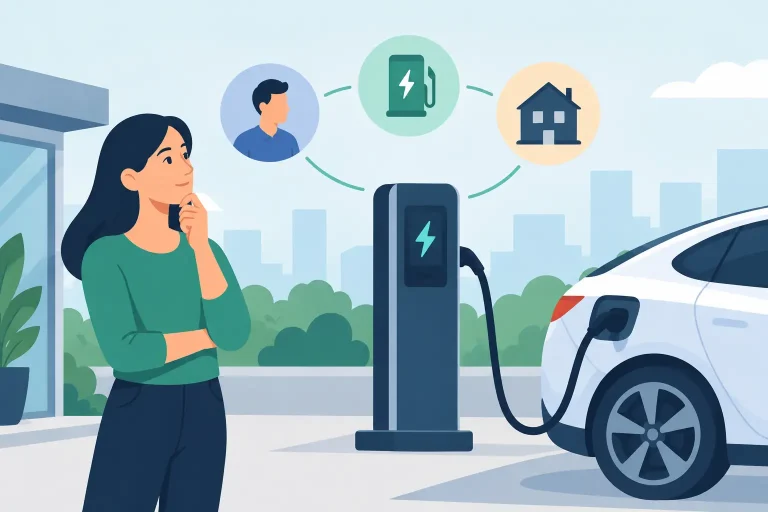
A new EV should make your daily routine easier, not send you searching through electrical terms, permit rules, and uncertain installer pricing. When you request an EV installation quote, the goal is simple: understand what your property needs, what the work will cost, and how soon you can start charging reliably.
For most homeowners, a Level 2 charger is the practical answer. It can add meaningful range while your vehicle is parked overnight, so you can leave each morning with the charge you need. For condos, workplaces, fleets, and multifamily properties, the right approach may require more coordination, but a clear quote is still the best place to begin.
What an EV Installation Quote Should Tell You
A useful quote is more than one number at the bottom of a page. It should account for the charger, your electrical system, the distance between the panel and the parking space, and any permit or site requirements that affect the installation.
At a single-family home, the installer may need to know whether your main electrical panel has available capacity, where you plan to park, and whether the charger will be mounted inside a garage, on an exterior wall, or near a driveway. A short, direct route from the panel to the charger can keep labor and material costs lower. A detached garage, a long trench run, or a full panel can add work and change the price.
For a commercial or multifamily property, a quote should also consider how many chargers are needed, who will use them, available electrical capacity, parking layout, access controls, and plans for future expansion. Installing one charger today may be the right decision, but planning the conduit and electrical infrastructure for additional chargers can save substantial disruption later.
The best quotes make these factors clear rather than burying them in vague language. You should know what is included, what assumptions the price is based on, and what could require an adjustment after site conditions are confirmed.
Request an EV Installation Quote in Minutes
You do not always need an in-person visit to get a dependable initial price. With accurate property details and a few photos, an experienced EV charger installer can often evaluate the likely scope remotely. This saves time and helps you move forward without waiting days for a basic estimate.
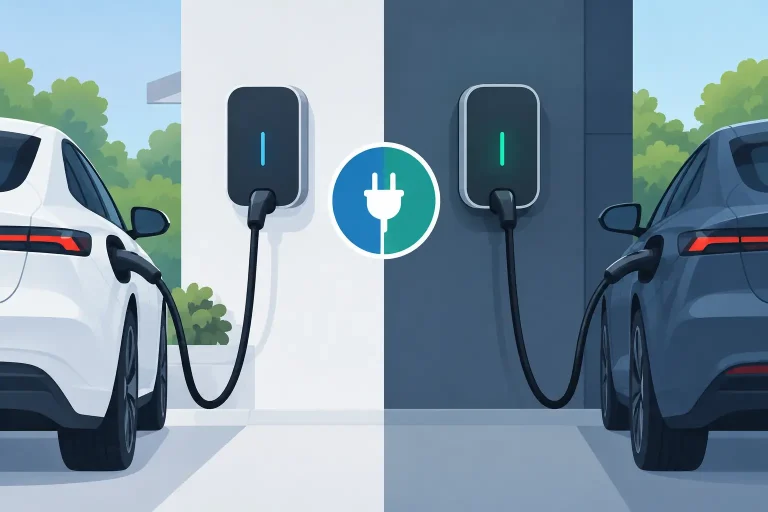
When submitting a request, share the vehicle make and model if you know it, along with the charger you already own or are considering. Tesla owners may choose a Tesla Wall Connector, while other EV drivers may select a universal charger or a hardwired unit with the connector that suits their vehicle. If you have not chosen equipment yet, that is not a problem. Charger selection should be part of the conversation, not a hurdle that delays it.
Photos are especially helpful. A clear picture of the electrical panel with its door open, the proposed charger location, and the path between them gives the installer a much better view of the job. Include photos of the parking area, garage, driveway, or shared parking space as well. For an outdoor installation, note whether the charger location is exposed to weather and whether the area is easy to access.
It also helps to mention your preferred charging speed. Many home installations use a 240-volt Level 2 circuit, but the final amperage depends on the vehicle, charger, panel capacity, and local code requirements. Bigger is not automatically better. A properly sized circuit that fits your daily driving needs and your electrical system is usually the smart choice.
The Property Details That Affect Pricing
Every installation is different, but the same few conditions drive most quote differences. Electrical panel capacity is one of the largest. If there is room and capacity for a new dedicated circuit, installation may be relatively straightforward. If the panel is full or undersized, the project may need a load calculation, subpanel, load-management solution, or service upgrade.
Distance matters, too. Running wire across a garage wall is different from routing it through an attic, under a crawl space, along an exterior wall, or underground to a detached structure. The route must be safe, code-compliant, and practical for the property. A lower upfront price is not a good value if it skips required protection or leaves exposed wiring where it does not belong.
Permitting can also affect timing and cost. Requirements vary by jurisdiction and property type. In Los Angeles County, a professional installer can help identify when a permit is needed and coordinate the process so the installation meets the applicable requirements. This is particularly valuable for condominiums, apartment communities, and commercial sites where property approval and utility coordination may be part of the project.
If you live in a condo or rent your home, confirm who owns the electrical panel and parking area before scheduling work. Some installations involve an HOA, property manager, landlord, or shared electrical service. Starting that conversation early prevents avoidable delays once the quote is ready.
Choosing the Right Charger for Your Routine
A charger should fit the way you use your vehicle, not just the highest number on a product label. If you drive a typical commute and charge overnight, a moderate Level 2 setup may provide more than enough energy by morning. If you operate a fleet, have multiple EVs, or need quick turnaround between drivers, higher-capacity equipment and smarter load planning may make sense.
Hardwired chargers are a popular option because they can support higher output where the electrical system allows and create a clean, permanent setup. Plug-in chargers can be a good fit in some situations, provided the receptacle, circuit, and equipment are installed correctly. Your quote should identify the recommended configuration and explain why it fits your needs.
For shared properties, charging management matters as much as charging speed. Networked chargers can help track use, set access permissions, or assign charging costs to users. Those features are useful for workplaces and multifamily housing, but they add considerations such as Wi-Fi or cellular connectivity, subscription options, and administrative responsibilities. A simple charger may be ideal for one household; a managed system may be worth the added investment for a property with many drivers.
Why Licensed EV Charging Installation Matters
An EV charger is a high-demand electrical appliance that may run for hours at a time. That makes correct design and installation essential. The circuit, breaker, wire size, equipment rating, grounding, mounting, and protective components all need to work together.
Licensed and insured electricians understand how to assess the existing electrical system and install a dedicated charging circuit safely. They can also identify concerns that are easy to miss during a DIY assessment, such as a panel with limited capacity, incompatible equipment, deteriorated components, or an impractical wiring route.
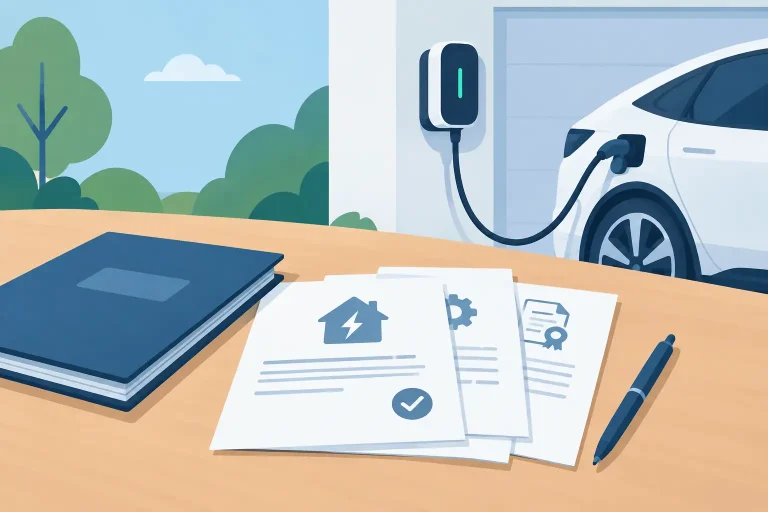
Professional installation also protects the investment you have made in your vehicle and charger. It supports proper permitting when required, helps preserve manufacturer requirements, and gives you a clear point of contact if questions arise after the work is complete. The right installer should be able to explain the scope in plain language without overwhelming you with unnecessary technical detail.
What Happens After You Approve the Quote
Once you choose an installer and approve the estimate, the next steps should be organized and predictable. The installer confirms the equipment and installation plan, addresses permits or property approvals, schedules the work, and completes the electrical installation. After testing, you should understand how to use the charger, what charging settings are appropriate, and whom to contact if you need support.
Some projects are simple and can move quickly. Others need extra time because of permit processing, panel upgrades, HOA authorization, utility coordination, or equipment availability. A good contractor will set realistic expectations rather than promising a timeline that does not match the property conditions.
Plug-in LA helps Southern California drivers and property decision-makers simplify this process with clear pricing, certified installation, and guidance from the first quote through completed charging setup. Whether you need one home charger or a plan for a growing property, the right information upfront makes the project easier to manage.
The fastest path to dependable EV charging is to share accurate details, ask direct questions, and choose an installer who treats the quote as the start of a well-planned installation, not just a sales document.