What Moves the Price
Three things decide most of the number, and the charger is not one of them.
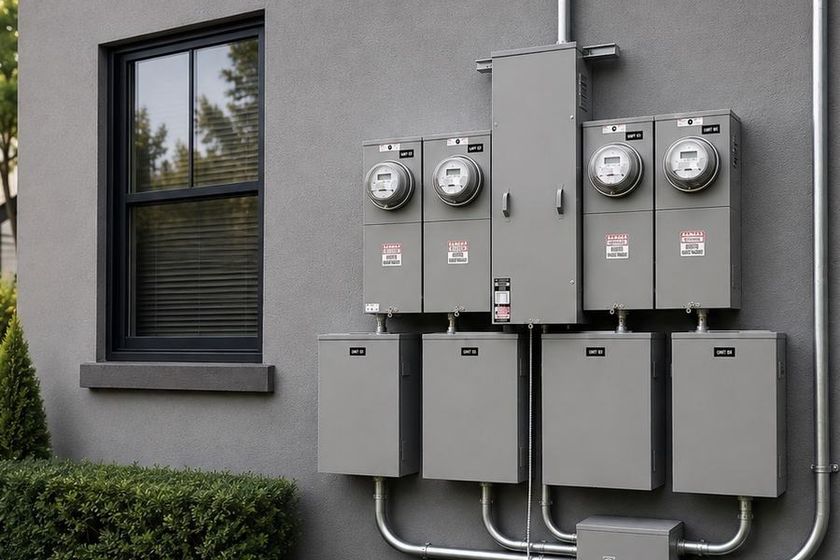
- How much spare capacity the existing panel has
- How far the charger sits from that panel, and what the wire has to pass through
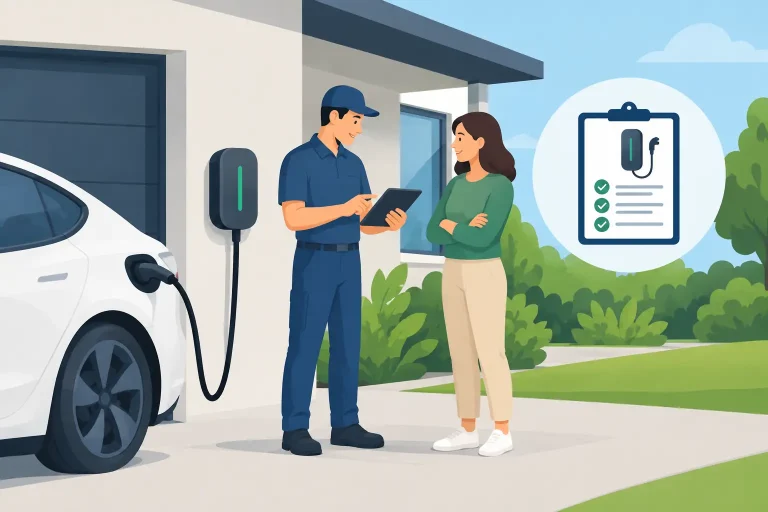
- Whether the job needs a permit, a plan check, or utility coordination
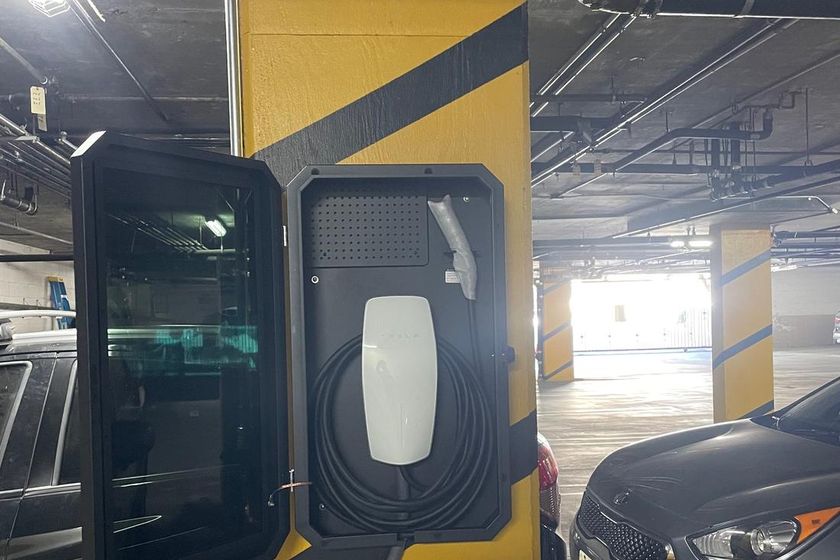
A charger on a garage wall eight feet from the panel is a different job from one on a detached carport at the back of a lot, even though the equipment is identical.
The Panel Question
Most homes do not need a panel upgrade.
A load-management device lets the charger share capacity with the rest of the property. It is usually a few hundred dollars against several thousand for a service upgrade, and it is the first thing worth checking.
Where an upgrade is genuinely needed, it is because the service is undersized, there is no breaker space, or the equipment is old enough that nobody should be adding load to it.
What a Permit Adds, and Why It Is Worth It
Permit filing, plan check and final inspection add cost and a few days. They also mean the work is documented, code-compliant, and will not surface as a problem when the house is sold or the building is refinanced.
Unpermitted electrical work is the kind of saving that gets expensive later.
So What Should You Budget?
For a straightforward residential Level 2 install in Los Angeles, with a permit and a short run from an existing panel, most jobs land between $1,200 and $2,200 before any rebate. Add a load-management device and it moves a little. Add a full service upgrade and it moves a lot.
Two photographs, your panel and where you park, are enough for a fixed price rather than a range.