Why Everyone Assumes an Upgrade
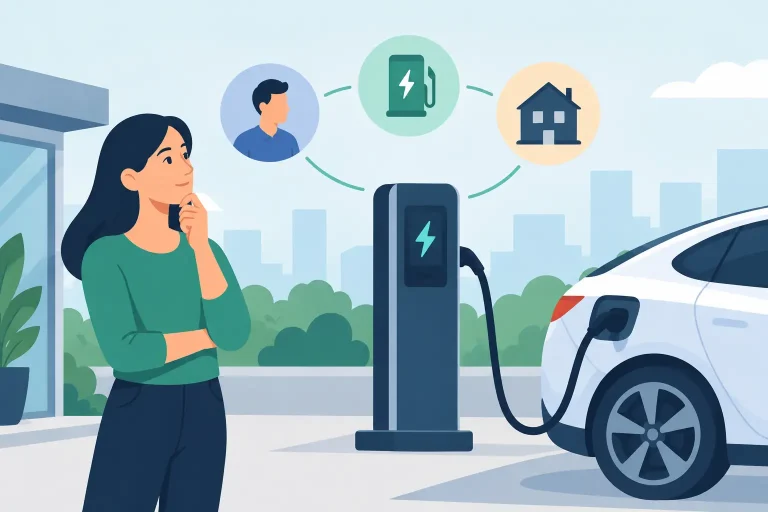
An EV charger is one of the largest loads a house will ever carry, so an upgrade sounds like the safe answer. Often it is just the expensive one.
- A 100A service with room on the bus can often take a charger as it is
- Charger output can be set lower without changing the daily experience
- Most cars only need a few hours overnight to be full again
The real question is not the size of the panel but how much of it the house actually uses at the busiest moment of the day.
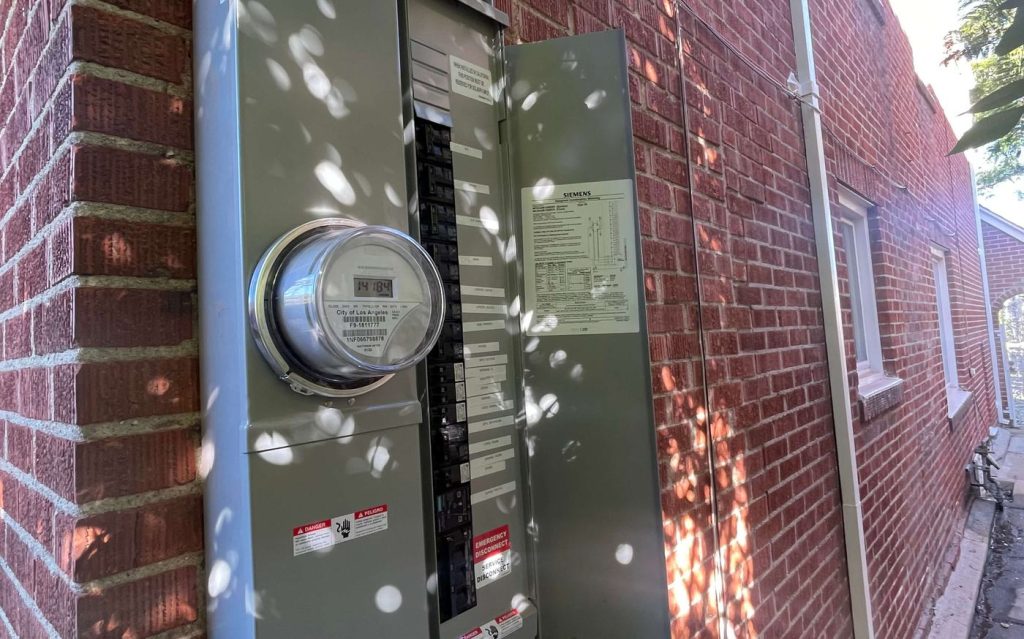
The Cheaper Answer
Load management shares what you already have.
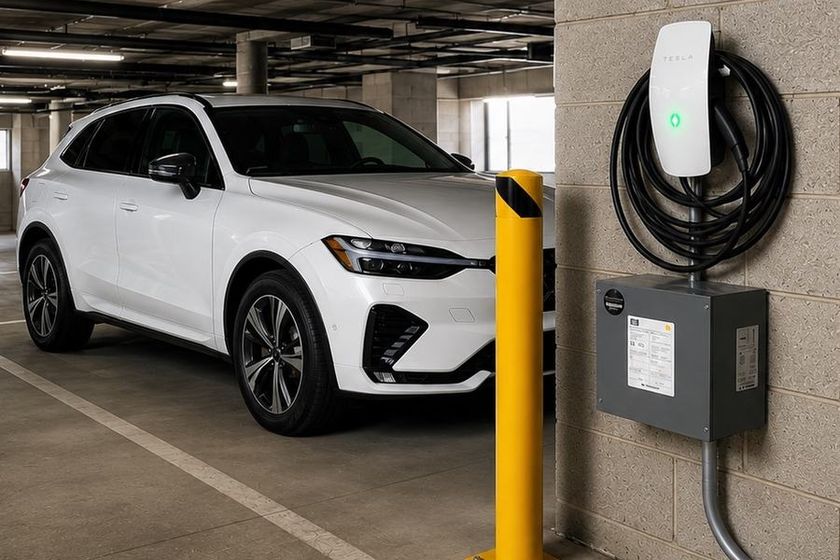
A load-management device watches the whole house and slows the charger down when the oven, dryer and air conditioning are running together. The car still charges fully overnight, and the service never goes past its limit.
It is typically a few hundred dollars, against several thousand for a service upgrade and the utility coordination that comes with it.
It is also faster. A load-management device goes in on the same visit as the charger, while a service upgrade can mean weeks of waiting on the utility before the new service is energized.
When an Upgrade Is Genuinely Needed
Some panels should not take more load: no breaker space, a service that is already near its limit, or equipment old enough that it is a safety question rather than a capacity one. Planned solar, a battery or a second EV can also make an upgrade the better long-term call.
How We Decide
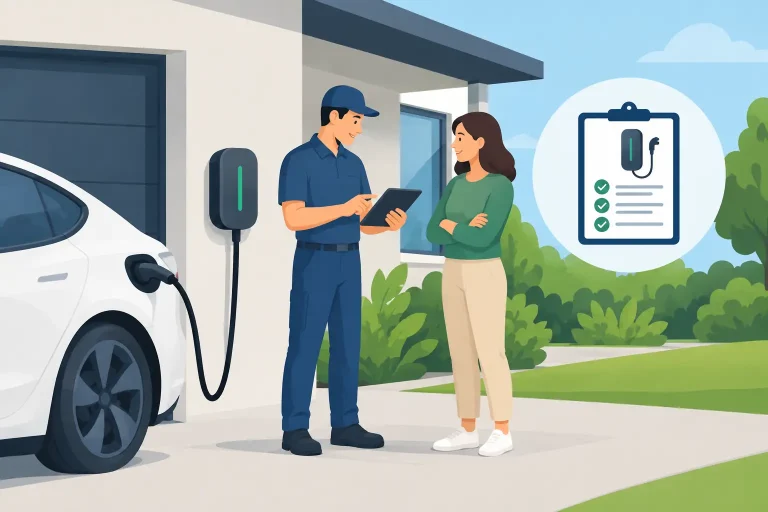
We run a load calculation on the house before recommending anything. If a smaller option does the job, that is what we quote.