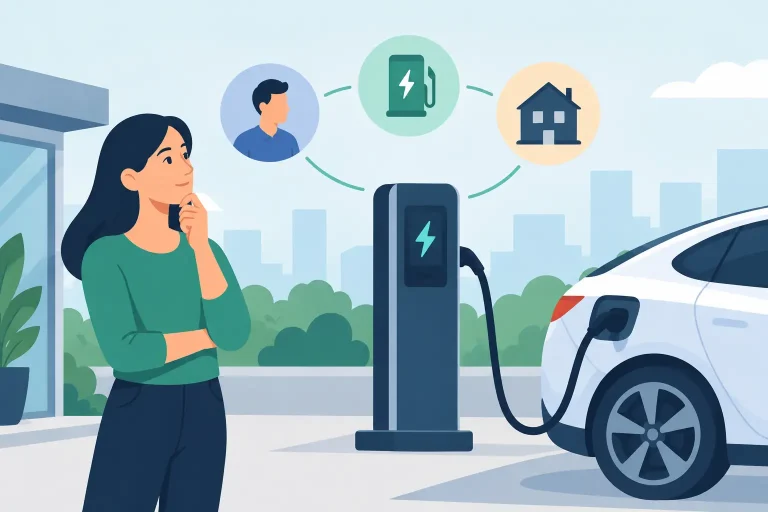
A fleet can add electric vehicles faster than it can add dependable charging. That is why fleet electrification charging trends are moving beyond the question of which vehicles to buy. The harder question is whether a site can charge the right vehicles, at the right time, without creating avoidable utility costs or disrupting daily operations.
For fleet operators, property managers, and businesses planning charging in Los Angeles County, the best projects start with a clear view of routes, dwell time, electrical capacity, and growth plans. Chargers are not just equipment purchases. They become part of the operating system of the fleet.
Fleet Electrification Charging Trends Changing Depot Design
The biggest shift is toward purpose-built charging plans rather than installing the maximum number of high-powered chargers possible. More power is not automatically better. A delivery fleet that returns every evening may have eight to ten hours to charge, making Level 2 charging a practical and cost-effective fit. A fleet with multiple shifts, long daily mileage, or limited dwell time may need DC fast charging to keep vehicles available.
This distinction affects nearly every part of the installation, from electrical service size to charger placement and utility coordination. A thoughtful plan matches charging speed to the actual workday. It also leaves room for future vehicles without paying for infrastructure that will sit underused.
Depot charging is becoming more deliberate
Fleet depots are increasingly designed around traffic flow. Drivers need to park, connect, and leave without backing into tight spaces or blocking other vehicles. Cable management, bollards, ADA considerations where applicable, lighting, and clear signage all matter as much as the charger itself.
For mixed fleets, charger location deserves extra attention. An electric passenger vehicle, cargo van, and larger service vehicle may not use the same parking geometry. Planning around the vehicles expected in the next two to five years can prevent expensive rework later.
Managed Charging Is Moving From Nice-to-Have to Essential
Managed charging, sometimes called smart charging, allows a site to control when and how quickly vehicles charge. Instead of every vehicle drawing maximum power as soon as it plugs in, the system can prioritize vehicles based on departure time, battery level, route needs, and available site capacity.
This matters because electricity demand can become expensive during peak periods. In Southern California, utility rate structures and demand charges can make unmanaged DC fast charging particularly costly. Managed charging can reduce peak demand, spread charging across overnight hours, and help avoid the need for a larger electrical service in some applications.
It is not a substitute for adequate infrastructure. If a fleet needs more energy than the site can provide overnight, software alone cannot solve the problem. But it can help a properly designed system use available capacity more intelligently.
Fleet data is shaping charger decisions
The most useful charging data is often operational, not technical. Fleet teams need to know when vehicles arrive, when they leave, how many miles they travel, and which vehicles cannot miss a scheduled route. Those details determine the required energy window.
A common mistake is sizing a project around the vehicle’s maximum charging capability. A better approach is to calculate the energy each vehicle needs between shifts, then determine how much time is available to deliver it. That calculation may show that several Level 2 chargers with load management can support operations more effectively than a smaller number of fast chargers.
Electrical Capacity Is the Real Starting Point
Many fleet charging projects begin with a site walk and quickly become electrical planning projects. The existing panel may have limited capacity. The building service may need an upgrade. In some cases, the utility may need to review transformer capacity or extend service before installation can move forward.
These steps take time, which is why early planning matters. The charger installation itself may be straightforward, while service upgrades, engineering, permitting, or utility work can set the actual project schedule. Fleet managers who wait until vehicles are already arriving often face unnecessary pressure.
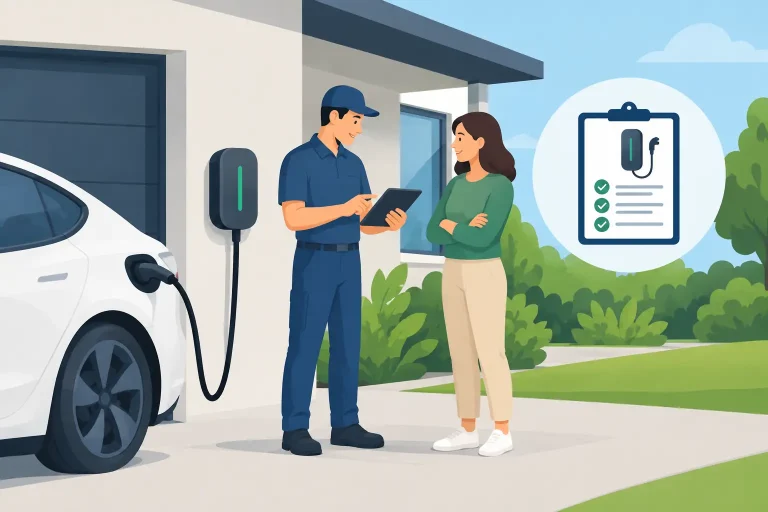
A qualified electrical contractor should review available capacity, load calculations, conduit routes, parking layout, and the practical path from the electrical source to each charging location. This is also the right time to identify whether trenching, concrete work, or protective equipment will be required.
Build for expansion, even when installing in phases
Phased installation is one of the most practical fleet electrification charging trends. Rather than electrifying every parking space on day one, many fleets install chargers for the first group of vehicles while preparing the site for additional capacity later.
That may mean installing larger conduit, reserving panel space, adding a distribution cabinet, or planning transformer and switchgear capacity for future phases. The upfront cost is usually lower than building the entire system at once, while the site remains ready to expand without tearing up newly finished work.
The right phase size depends on vehicle delivery dates, route conversion plans, available capital, and the site’s electrical limits. A phased strategy only works when the long-term plan is documented. Otherwise, each expansion can become a separate, more expensive project.
Charging Reliability Is an Operations Issue
For a fleet, a charger that is offline at the wrong time is not a minor inconvenience. It can mean a missed route, a substitute vehicle, overtime, or an unplanned visit to a public fast-charging station. Reliability starts with commercial-grade equipment, correct installation, and clear responsibility for monitoring and maintenance.
Fleet teams should consider who will receive charging alerts, who can reset equipment when appropriate, and how service issues will be handled. Networked chargers can provide valuable visibility, but they also introduce software, communications, and account-management considerations. The best choice depends on the fleet’s size and how much control it needs.
Physical protection is equally important. Chargers in active depots are exposed to vehicle movement, weather, and daily wear. Proper mounting, bollards where needed, accessible cable storage, and clean electrical workmanship protect the investment and help keep charging available.
Workplace and Shared Fleet Charging Need Clear Rules
Not every fleet operates from a dedicated depot. Some businesses charge vehicles at offices, warehouses, apartment communities, or shared parking facilities. In these settings, access rules matter.
A company may need to separate fleet charging from employee charging, track energy use by driver or vehicle, or limit access during business hours. If chargers are shared with tenants or visitors, the site should establish simple rules before the first vehicle plugs in. Clear policies reduce disputes and make it easier to understand actual charging demand.
For multifamily and commercial properties, infrastructure decisions also affect leasing and tenant satisfaction. A property with a scalable electrical plan can accommodate more EV drivers over time without treating every request as a one-off electrical emergency.
Incentives Help, but They Should Not Drive the Design
Rebates and incentive programs can improve project economics, especially for commercial and fleet installations. But program requirements may include eligible equipment, installation timelines, utility participation, documentation, or minimum operational commitments. These requirements can change, and funding can be limited.
The strongest approach is to build a charging plan that works operationally before calculating incentives. Then, use available programs to reduce costs rather than allowing a rebate deadline to force the wrong charger type or site layout. Administrative support can be especially valuable when a project involves permits, utility paperwork, and multiple vendors.
A Practical Way to Plan Fleet Charging
Start with the vehicles and their routes. Identify daily mileage, return times, required departure times, and any vehicles that operate in more than one shift. Next, review the site: electrical capacity, parking configuration, distance from power, and room for future chargers.
From there, compare charging options based on the energy required during each vehicle’s dwell time. Include utility costs, demand-management needs, installation complexity, and a realistic expansion schedule. This process is more useful than choosing a charger first and trying to make the site fit it.
The most effective fleet charging projects feel simple to drivers because the complexity was addressed before installation. When a fleet has a clear plan, properly sized equipment, and licensed professionals coordinating the electrical work, charging becomes a dependable part of the workday rather than another operational risk.
If your fleet is preparing to add EVs in Los Angeles County, Plug-in LA can help evaluate the site, select practical charging equipment, and coordinate a professional installation that supports the way your vehicles actually operate.